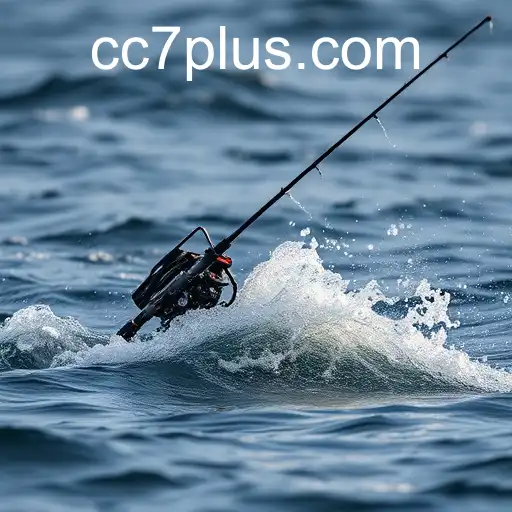
The World of Fishing: Unraveling the Secrets of CC7
Fishing is a timeless activity that has captivated humanity for centuries. Whether it's a hobby, a sport, or a means of survival, fishing transcends cultures and geography. Among the numerous methods and tools employed in this exciting pursuit, "CC7" has emerged as a significant catchword. Those unfamiliar with it might wonder what CC7 means in the rich lexicon of fishing. In this extensive exploration, we'll dive into the intricate details of fishing and reveal the mysterious connotations attached to CC7.
A Brief History of Fishing
Fishing dates back to prehistoric times, with the earliest evidence of fishing tools dating back to 40,000 years. Primitive methods such as spearfishing gradually evolved over millennia into the sophisticated techniques utilized today. The development of fishing entailed the creation of hooks, rods, nets, and eventually the motorized boats and advanced gear that revolutionized the industry.
Initially, fishing served a utilitarian purpose, providing sustenance. As societies evolved, it became a source of trade and commerce, significantly impacting trade routes and economies. Furthermore, it laid the foundation for what would become sport fishing, adding recreational enjoyment to its list of benefits.
Modern-Day Fishing Techniques
Today's fishing techniques are as varied as the species awaiting capture in our oceans, rivers, and lakes. Rod and reel fishing, often seen in recreational contexts, stand alongside commercial methods such as trawling, longline fishing, and purse seining. Each technique has its own set of advantages and environmental considerations, making the choice dependent on purpose and location.
Rod and reel fishing offers simplicity and accessibility, making it a popular choice among amateurs and professionals alike. Trawling, with its comprehensive net systems dragged through water bodies, is efficient but calls for careful management to avoid bycatch and habitat destruction. Longline fishing, utilizing long lines with baited hooks, targets species like tuna and swordfish, underscoring the diversity of modern fishing strategies.
The Rise of CC7 in Fishing
Among the numerous developments shaping contemporary fishing culture is the enigmatic CC7. In fishing circles, CC7 often alludes to a set of advanced equipment or a particular grouping of techniques gaining traction due to its effectiveness. The term's exposure is largely driven by the desire to enhance fishing efficacy while embracing sustainability.
CC7 as an identifier can reflect innovative technology, such as high-powered sonar systems, or possibly a new classification of fishing gear renowned for its efficiency. As the fishing community continues to grow and adapt, CC7 represents more than just a simple advancement; it's a testament to the continually evolving nature of fishing practices and their adaptation to modern technological landscapes.
Environmental Impact of Fishing and CC7
The expansion of global fishing efforts presents significant environmental challenges. From overfishing to the destruction of marine ecosystems, the stakes are high. The introduction of CC7 in fishing also brings a heightened awareness of sustainable practices. Fishers are increasingly called upon to balance productivity with environmental stewardship, ensuring that future generations can enjoy and benefit from the waters abundant life.
Technologies embraced under the CC7 moniker emphasize precision and reduced environmental footprint. Advanced sonar and tracking systems help identify specific fish and avoid unnecessary bycatch. By modifying traditional practices through CC7 innovations, the fishing industry can better align with conservation goals and consumer demands for ethical seafood sourcing.
The Social and Economic Impact of Fishing
Fishing contributes significantly to the economy, providing employment to millions worldwide and facilitating trade. Economic factors significantly influence fishing practices, determining where and how fishing occurs, with CC7 advancements enhancing profitability and efficiency.
Socially, fishing fosters community engagement and cultural continuity. Coastal communities, dependent on fishing for both livelihood and social identity, find new ways through CC7 technology to sustain their practices without compromising marine integrity. Educational programs and workshops often underscore the importance of maintaining communal harmony with nature while embracing modernization.
Navigating the Future of Fishing
As globalization accelerates, the fusion of traditional knowledge with modern advancements like CC7 will guide the course of fishing in coming years. Ongoing research and technological leaps hint at a future where sustainable fishing is synonymous with innovation. As fish stocks deplete in several regions, the emphasis on adaptive management and new fishing methodologies becomes increasingly critical.
Meanwhile, policy makers and industry leaders remain engaged in discussions on fishing regulations, particularly concerning technological advancements like those associated with CC7. Balancing economic growth with ecological preservation, these discussions are crucial in shaping a resilient future for the world's oceans and those whose lives are entwined with them.
Whether you're dipping your toes into fishing for the first time or a seasoned veteran, the evolving dynamics and opportunities heralded by CC7 are undeniable. As technological wonders like CC7 advance, they promise to elevate fishing into an era defined not just by catch, but by conscience, ensuring that our bonds with water run deeper than ever before.